· 9 min read
How to become a Cannabis Lab Technician?
When you begin to explore how to become a cannabis lab technician, you start to quickly learn that the job entails much more than just testing THC levels. The cannabis industry is thriving and slowly gaining acceptance and approval across various nations. As the industry grows, a number of specialty jobs within the industry begin to unravel, that many qualified professionals may have not considered in the past. The cannabis lab technician roles are one of those specialty types of jobs.
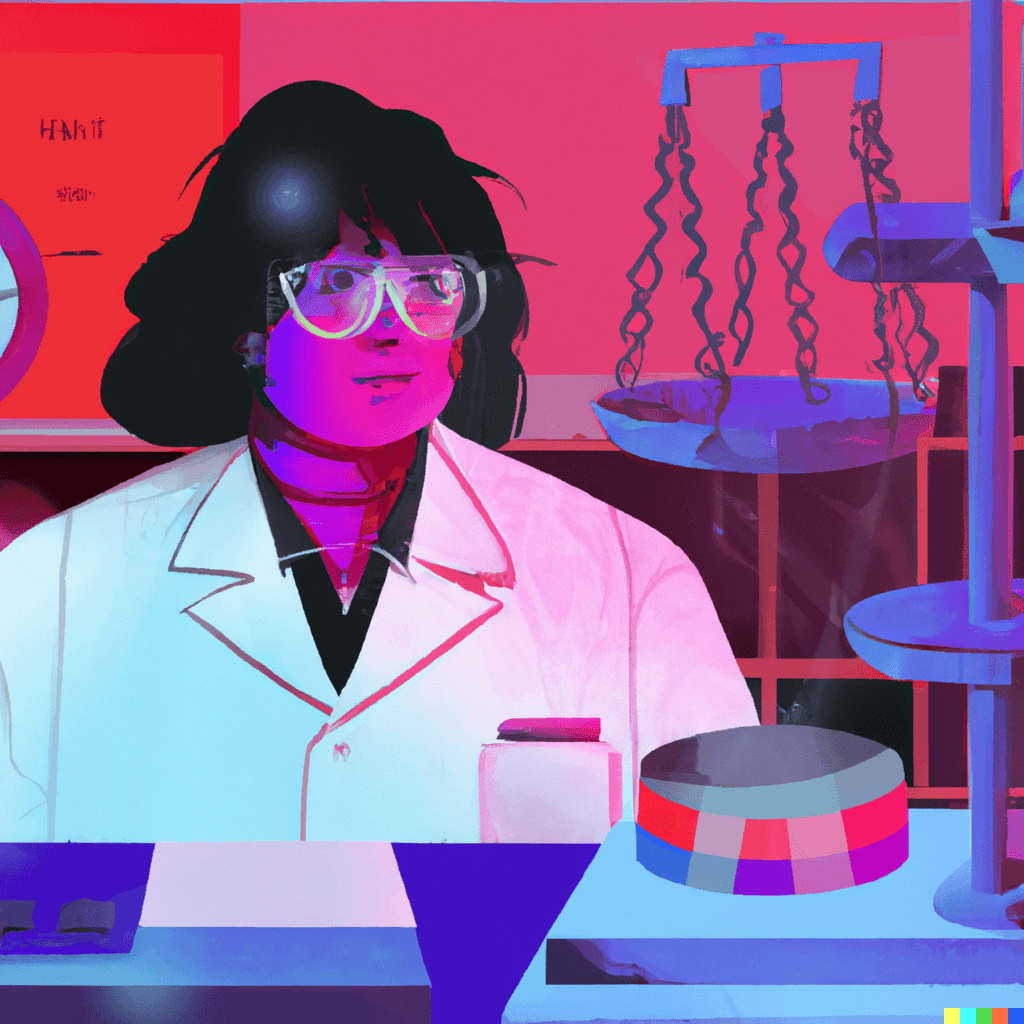
When you begin to explore how to become a cannabis lab technician, you start to quickly learn that the job entails much more than just testing THC levels. The cannabis industry is thriving and slowly gaining acceptance and approval across various nations. As the industry grows, a number of specialty jobs within the industry begin to unravel, that many qualified professionals may have not considered in the past. The cannabis lab technician roles are one of those specialty types of jobs. Lab Tech’s are a jack-of-all-trades in the lab. A Cannabis lab technician’s responsibilities can include but are not limited to: sample preparation, use of analytical and microbial instrumentation, developing protocols and reports, lab maintenance, inventory, receiving and handling sample products, lab management, reviewing reports etc. With the right training and experiences, it’s a lucrative career. A cannabis extraction technician can make on average $75,000 to $125,000 annually for doing skilled laboratory work depending on location.
Does cannabis lab testing sound like something you would be interested in learning more about as a potential career?
In this article we will learn:
- What Qualifications do you need to succeed?
- Resources to learn skills from
- Salary range
- Career Shortcuts?
- Job Market Competition
What Qualifications Are Required for a Cannabis Lab Technician
Do you have a passion for wet chemistry and analytics? Did you enjoy doing science classes in university and eventually earning a degree in biochemistry and/or chemistry? If so, a job in cannabis lab testing may be a great fit.
An important skill to bring to the table as a cannabis lab technician is the ability to follow and develop precise methods and practices. Depending on the type of cannabis lab, you may be working in a formal laboratory setting or as a component of a cultivation or extraction operation. Commonly, a lab technician in analytics and/or microbiology entails a formal laboratory setting with proper good laboratory practices in place. A cannabis-testing lab can hold a variety of equipment depending on the type of laboratory, ranging from portable cannabis testing equipment that will directly print out test results right in the field, to advanced technology in third-party licensed laboratories.
Cannabis companies use testing labs for multiple purposes. The common types of cannabis testing include microbial contamination, potency determination, terpene identification and presence of residual solvents. Let’s go through reasons why these testing are extremely important in the industry and what qualifications is required as a cannabis lab technician:
Microbial Contamination: The main purpose of testing for microbial contamination is to ensure there are no microbes in a product that will be sold to a consumer. It’s pretty self-explanatory; microbes (at a certain amount) can be harmful to human health. Microbial contamination testing also tests for cleanliness of cannabis and cannabis products; as well as the environment. Contamination can happen at any stage: from the time it is cultivated to the time it is packaged, shipped and stored. All stages should be completed in a sterile environment, on clean surfaces. As a cannabis lab technician, the individual should be aware and trained in good microbiological laboratory practices. There are 9 safe practices for Microbiology Laboratory:
- Treat all microorganisms as potential pathogens
- Sterilize equipment and materials
- Disinfect work areas before and after use
- Wash your hands routinely
- Never pipette by mouth
- Do not eat/drink in the lab
- Label everything clearly
- Autoclave or disinfect all waste material
- Clean up spills with care
Residual Solvents: The purpose of this testing is to determine if there are any presence of residual solvents in concentrates. Residual solvents such as propane, butane, ethanol and water can be left behind on a sample during production, since concentrates are made in a laboratory setting. The main goal is to ensure the finished product has the lowest level of trace solvents as possible. For residual solvent testing, Gas Chromatography is often used. As a cannabis lab technician, having an analytical chemistry and/or biochemistry background can be a great asset, since it would require the use of this instrumentation alongside proper sample preparation.
Potency Testing: Cannabinoid testing is one of the most common types of testing in the cannabis industry. The two cannabinoids that are required for most cannabis labels are tetrahydrocannabinol (THC) and cannabidiol (CBD). High Performance Liquid Chromatography is commonly used for potency testing. Similar to residual solvent testing, a cannabis lab technician should have a chemistry background in order to successfully do well in this task. Sample preparation is much more laborious then residual solvent sample preparation, so the individual should be comfortable working in the laboratory to do extraction, preparing mobile phase and final dilutions. Once the sample preparation is complete, the individual needs to have experience using the HPLC and then being able to analyze the data after.
Terpene Testing: The last testing that will be discussed in this section is terpene testing. Terpenes are what give cannabis its unique smell and taste. Terpenes are found in a wide variety of plants, including basil, rosemary and oregano. Similar to residual solvent testing, Gas Chromatography is also used here for terpene testing. As a cannabis lab technician, being comfortable using analytical instrumentation such as a GC is a great asset to have.
Resources To Learn From: NIST
NIST is a uniquely positioned organization within the cannabis community who ensures the quality of routine and consistent analysis across different cannabis labs. NIST routinely develops an integrated measurement service program for both forensics and cannabis laboratories to help with improvement of analytical measurements comparatively.
This tool created by the NIST program will act as a great reference in establishing legal, commerce and safety regulations based on the comparatively results of analytical measurements, production of Reference Materials, and the application of a Cannabis Quality Assurance Program (CannaQAP) across the cannabis labs.
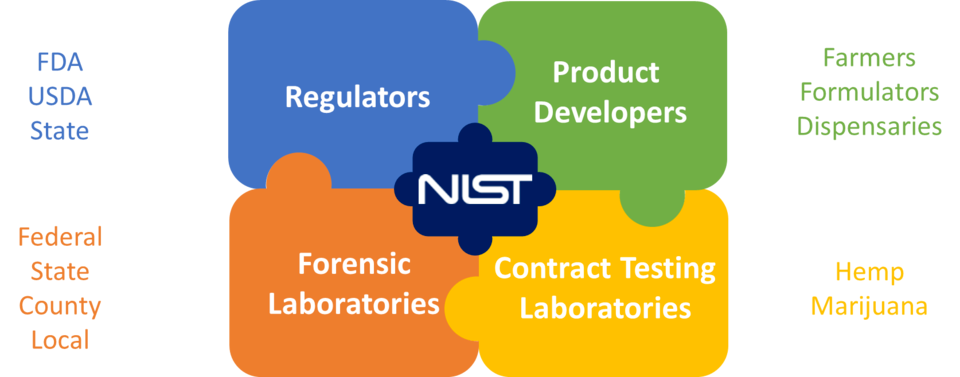
Cannabis Quality Assurance Program (CannaQAP)
What is CannaQAP?
CannaQAP was developed to help all cannabis labs demonstrate and maintain measurement comparability and competence. CannaQAP offers many exercises which cannabis labs can participate in via a sign up for either all the exercises or ones that are applicable to the specific lab. Exercises could include cannabinoids, moisture, toxic element testing etc. The rules are as follows: labs are asked to report in triplicates for each sample provided to them using measurement procedure and calculation that is normally practiced in the lab. The participant is also asked to identify and release the sample preparation procedure and analytical methods used in order to facilitate the exercise and lead to conclusion about potential biases that may be present in the method.
Oftentimes, when a cannabis laboratory performs these types of exercises, the cannabis lab technician is the one usually responsible for performing these studies. The expertise and knowledge that a lab technician brings is a person of choice in performing these studies because they are the most reliable and consistent across all aspects of laboratory skills.
Salary in different regions/states
The cannabis industry professional recruiting firms annually publish a guide listing their insights into salary ranges and hiring trends. For the purpose of this article, we will particularly focus on a recruiting firm named Vangst Recruiting based in Colorado, which is now in its third year of publication (the Vangst Cannabis Industry Salary Guide 2021 is now available for download). The CEO of Vangst believes the main vision for Vangst Recruiting is to help both job seekers and cannabis companies find their match. Vangst offers new job searching and networking algorithm, which further helps the community to learn, connect and grow with one another.
Vangst surveys both workers and businesses to better understand the overall trend in hiring, pay and benefits for a given year. They make sure to incorporate all aspects of the spectrum including average salaries and both high and low standards to mirror the differences based on experience and region. Alongside, the guide is divided into six job categories: retail, cultivation, lab and extraction, manufacturing, sales and delivery.
Here is a summary of the Vangst Cannabis Industry Salary Guide for the year of 2021:
- Employers surveyed showed that 83% of employees receive paid vacation and 73% get medical benefits
- In cultivation: trimmers pay rate starts at $15.00/hour, and a director of cultivation can earn about $115,000 (this is an increase of 25% from last year)
- Lab Technicians: Extraction technicians can receive about $37,000 per year, while lab managers can earn on average $65,000
- In retail: budtenders on average make $15.00/hour and a VP of retail operation can make about $150,000 annually.
Although it is difficult to conclude whether the cannabis industry roles as a whole are higher in pay compared to similar roles in other industries, it is safe to say that the cannabis industry is relatively comparable, although the industry is still fairly new. Additionally, cannabis companies are continuously trying to match standard benefits packages as their counterparts.
Are there career shortcuts?
When it comes to the role of a lab technician, there are no career shortcuts. There are minimum requirements that should be met – one of the most important skills is to be comfortable working in the lab – in order to work as a lab technician in a formal laboratory setting. Other sectors of the cannabis industry don’t have a strict requirement or qualification that has to be met. But for a lab technician, it is required to have a science background since the role is a highly technical and science-related field.
“A science or chemistry background is a huge advantage in this space,” exclaims Kyle Boyar.
According to Kyle Boyar, a Staff Research Associate III, he believes that although you might not have scientific expertise, he still looks for people that have lab training. He strongly advises that people who have a certification in lab training such as GMP are a huge asset to have, although it is absolutely not a requirement. Ideally, when working in a lab, someone who pays attention to detail and is willing to learn is key to being successful in this role.
Understand the qualifications and job training program beforehand
The greatest advice one can give someone going into this career path is to know what you are getting yourself into ahead of time. Know beforehand what the job-training program will look like, what kind of certification you might need to first obtain, the time commitment etc.
The Job Market: Competition
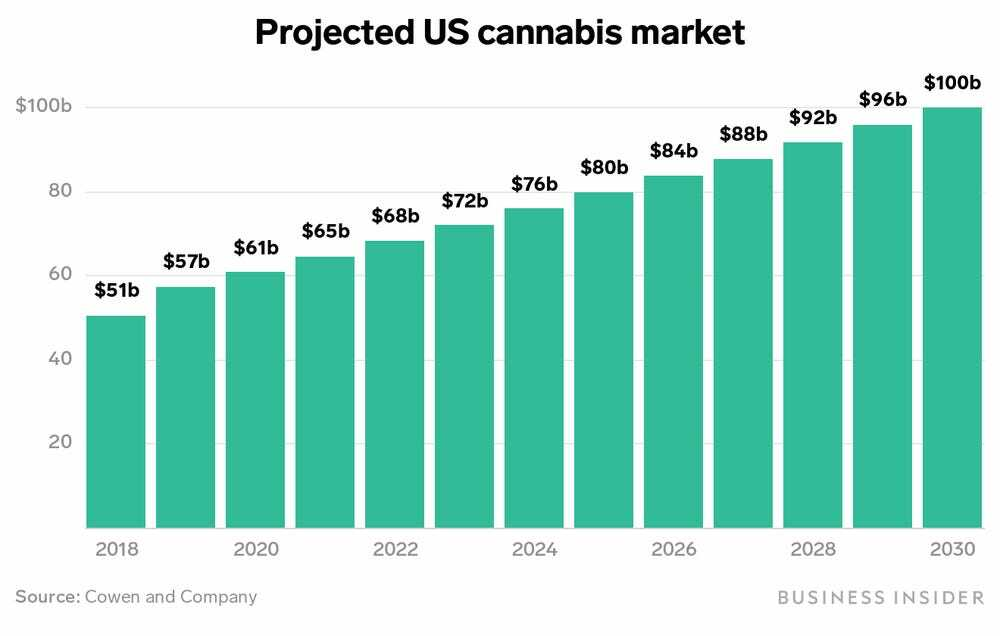
The cannabis job market is looking very promising. Even after the hardship the economy is going through following the COVID-19 pandemic, the cannabis industry is rebounding with strong demand from consumers. Additionally, the success of legalization measures across more states in the November election has also helped the industry in coming back strong. Just those states alone have brought in a whooping 26 000 new job openings by 2025.
In Conclusion
Either as an in-house tester or working in a third-party formal laboratory, a career in cannabis is a rewarding experience. As the cannabis industry continues to thrive and evolve, the importance of a cannabis lab technician will only increase from here. The competition surrounding this job market is not as bad compared to other sectors within the industry. The skills you build, as a lab technician in the cannabis industry, is definitely one of a kind. It is a highly technical and science-based role, in which only a few amount people agree to commit to. Although becoming a cannabis lab technician is not an easy path based on the qualifications/experiences you might need to succeed, the end result is definitely very rewarding. The salary range discussed above is not terrible – in fact it is very competitive when compared to similar roles in other industries. Making money as a cannabis laboratory analyst may just become the wisest decision you ever made!
Open technician and analyst roles are listed below. Apply on the lab’s own site — no account needed.
Open roles
Technician and analyst jobs
- 01
- 02
- 03
- 04
- 05
- 06
FAQ
Frequently asked
- What qualifications do you need to be a cannabis lab technician?
- Most labs ask for a bachelor's degree in chemistry, biochemistry, or a related science, plus hands-on comfort with HPLC and GC instruments and good laboratory practice. A state worker permit or agent badge is also required in most legal markets.
- How much does a cannabis lab technician earn?
- The Vangst Cannabis Industry Salary Guide put extraction technicians at about $37,000 a year and lab managers at an average of $65,000. Pay varies a lot by state and by whether the role is entry-level sample prep or analytical chemistry.
- What does a cannabis lab technician actually do?
- Prepares and runs samples for potency, terpene, residual solvent, microbial, pesticide, and heavy metal tests, follows validated SOPs, records results, and maintains instruments such as HPLC and GC-MS. It is far more than measuring THC.
- Do you need a degree to work in a cannabis testing lab?
- For analytical chemist roles, yes, almost always. Sample intake and prep technician roles sometimes accept an associate degree or lab experience, and programs such as NIST's CannaQAP and university certificates can help you stand out.
- Where can I find cannabis lab technician jobs?
- Lab Overflow runs a cannabis lab job board, and this article lists live technician openings below. Recruiters such as Vangst and state cannabis job boards are the other main sources.
Need this tested?
Compare labs that run these assays and get quotes in one go — no account, no fee.